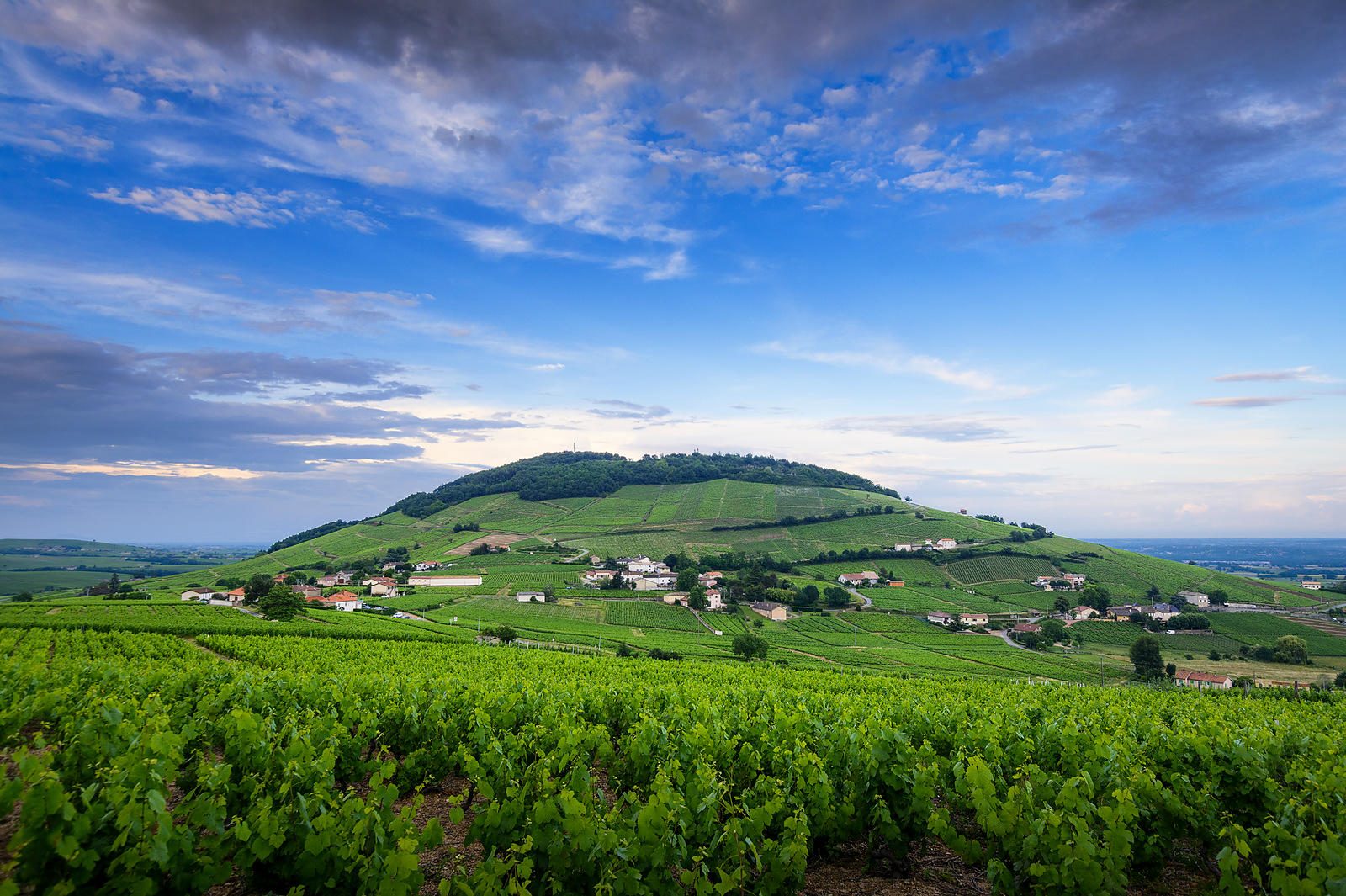
Mont Brouilly
A prominent volcanic hill offering views over the surrounding vineyards and the Saône valley.
Visit the chapel at the summit for panoramic landscape photography.

Beaujolais sits in eastern France, stretched along the right bank of the Saône between Lyon and Mâcon. It is a working farming landscape rather than a single site, which changes how you plan a visit. This guide pins down the geography, the administrative boundaries and the practical hours that govern access.
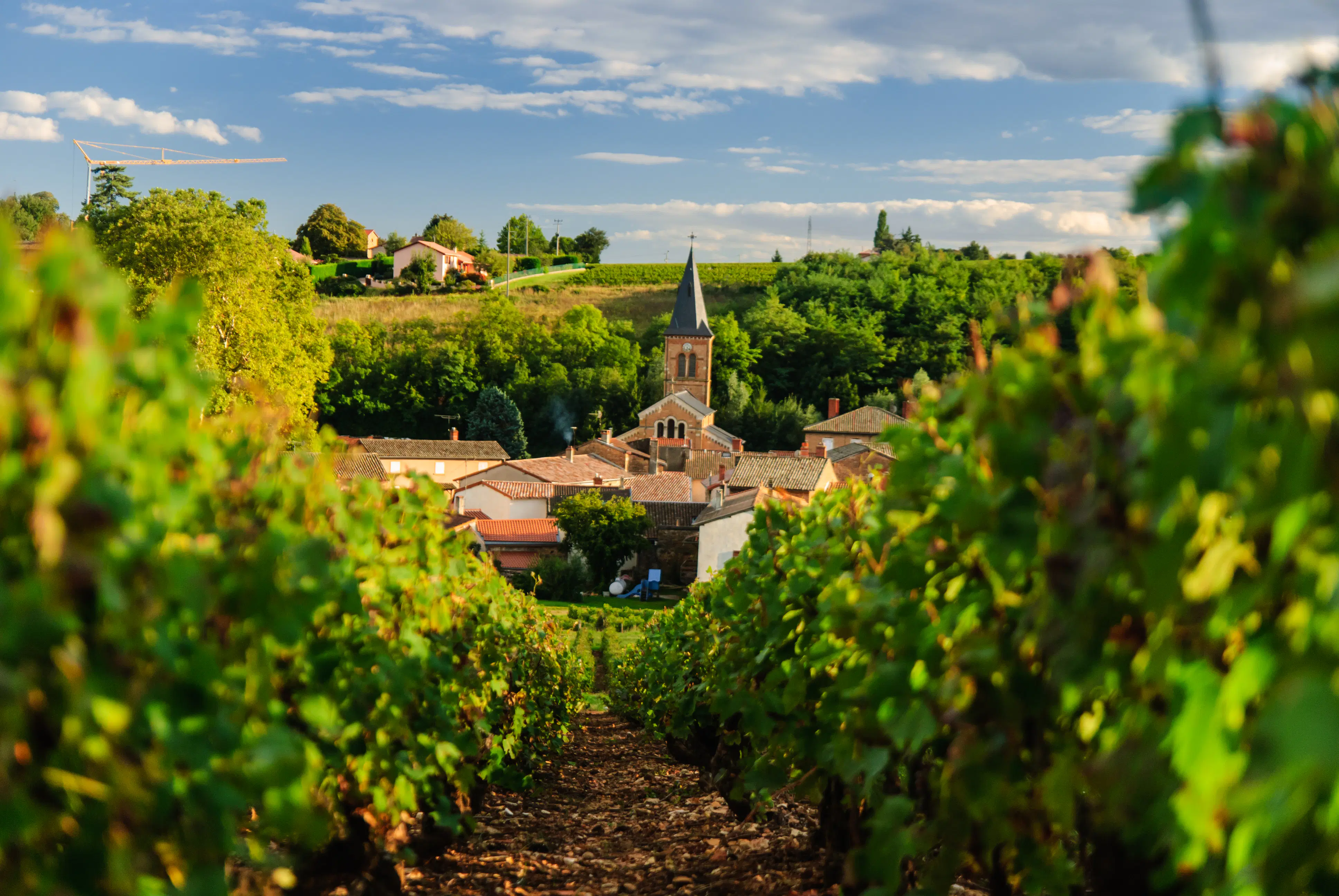
Quick answer
Beaujolais lies in the Rhône and Saône-et-Loire departments of France, north of Lyon and south of Mâcon, along the Saône valley. Entry to the region itself costs 0 EUR, with the landscape accessible daily from 08:00 to 19:00; individual wineries set their own tasting fees. Arriving between 09:00 and 17:00 gives the best cellar availability.
Beaujolais covers roughly 55 kilometres from north to south but barely 15 at its widest, a narrow ribbon of granite and limestone hills pressed between the Saône floodplain and the eastern edge of the Massif Central. That compression explains much about the place. Vineyards climb from about 200 metres near the river to over 500 metres in the western folds, and the soil changes underfoot within a few hundred paces — pink granite around Fleurie, blue schist near Morgon, clay and limestone in the southern communes. Gamay, the region's near-exclusive red grape, responds to each of these differently, which is why ten separate crus were granted their own appellations rather than a single regional name. Anyone asking where is Beaujolais wine region is usually trying to resolve an administrative confusion. The answer spans two departments: the Rhône holds the bulk of the vineyard, while the northernmost communes fall into Saône-et-Loire. Historically the region belonged to the Beaujolais lordship seated at Beaujeu, the small town that still lends its name to the whole. Wine-trade convention often files it under Burgundy, and the crus do sit close to the Mâconnais border, but the geology, the grape and the culture point south toward Lyon. Older guides to the Beaujolais vineyards describe the city as the region's natural port, and the description holds — Lyon absorbed Beaujolais wine for centuries before Paris took an interest. On the ground, the region divides into recognisable zones. The Pierres Dorées in the south take their name from the golden limestone used in village walls at Oingt, Theizé and Bagnols, a stone that turns amber in late sun. Further north come the ten crus — Brouilly, Côte de Brouilly, Régnié, Morgon, Chiroubles, Fleurie, Moulin-à-Vent, Chénas, Juliénas and Saint-Amour — each a cluster of hamlets rather than a town. The Mont Brouilly summit and the windmill at Moulin-à-Vent serve as the region's two orientation landmarks; from either, the whole appellation map reads clearly below. The practical consequence is that a visit here means driving or riding between villages, not walking a single site. Distances are short, but the D roads wind, and cellar doors in hamlets of two hundred people keep irregular rhythms. Understanding where is Beaujolais wine region positioned relative to Lyon matters more than any single address, because most itineraries begin there and work north. Reference material and appellation maps are published by the regional tourism authority at destination-beaujolais.com. Read this page for the geography, then use the dedicated sections below for routes, seasons and costs.
“The soil changes underfoot within a few hundred paces — which is why ten separate crus exist where one name would do.”
The Beaujolais wine region is located in eastern France, spanning the Rhône and Saône-et-Loire departments between the cities of Lyon and Mâcon. Access is primarily achieved via the A6 motorway or regional rail connections from Lyon.
TER train from Lyon Part-Dieu to Villefranche-sur-Saône
A6 motorway towards Paris, exiting at Villefranche-sur-Saône
Line 116 from Lyon to Beaujeu
For optimal exploration, arrive between 09:00 and 17:00 to ensure vineyard visibility and consistent access to winery cellar operations.
The best arrival window is 09:00–17:00, which offers optimal light for vineyard landscapes and the highest availability for cellar visits. Planning your trip between May and October balances pleasant temperatures with the active growth cycle of the vines.
—
Arriving at 09:00 ensures quiet tasting rooms and personal interaction with producers.
Mild, 15°C to 22°C
Vines are in full growth, providing lush green landscapes throughout the region.
Cool, 12°C to 18°C
This period aligns with the grape harvest, which is the most active time in the vineyards.
Chilly, 5°C to 10°C
Visitors often arrive in mid-November for the Beaujolais Nouveau festivities.
Verdict: For the best balance of light, weather, and cellar access, plan your visit between Tuesday and Thursday during the months of May or September, arriving at 09:00.
Access to the Beaujolais wine region is open to the public without a general admission fee. Costs associated with visits are determined by individual wineries regarding their specific tasting experiences.
Verdict: A visitor pays 0 EUR for regional entry, with total costs depending solely on individual winery tasting fees.
The Beaujolais wine region welcomes visitors daily throughout the week. Planning your visit within these standard hours ensures consistent access to the region.
The Beaujolais region is defined by its rolling hills, granite soil, and distinct vineyard landscapes. These key zones represent the geographical and viticultural diversity found across the northern and southern sectors.
A prominent volcanic hill offering views over the surrounding vineyards and the Saône valley.
Visit the chapel at the summit for panoramic landscape photography.
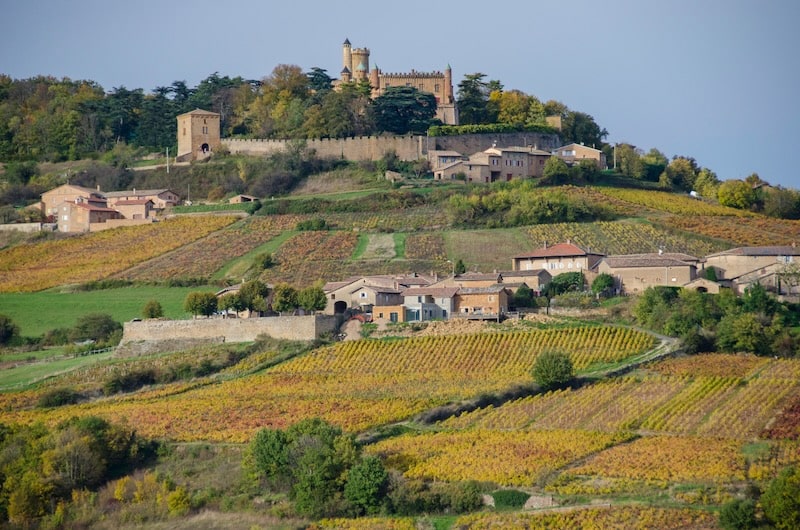
A collection of ten distinct crus in the northern sector known for terroir-driven Gamay wines.
Explore the narrow village streets between tastings to see local stone architecture.
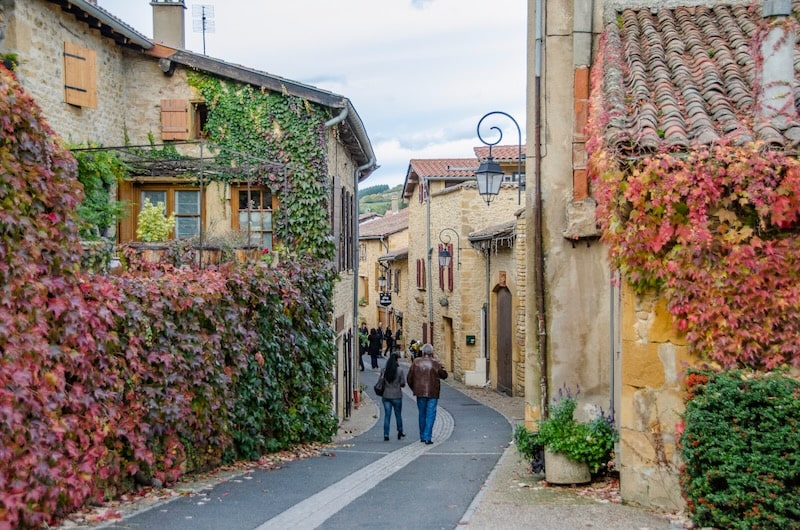
This southern area is characterized by honey-colored limestone buildings nestled among rolling hills.
Visit during the late afternoon when the sun highlights the golden stone.
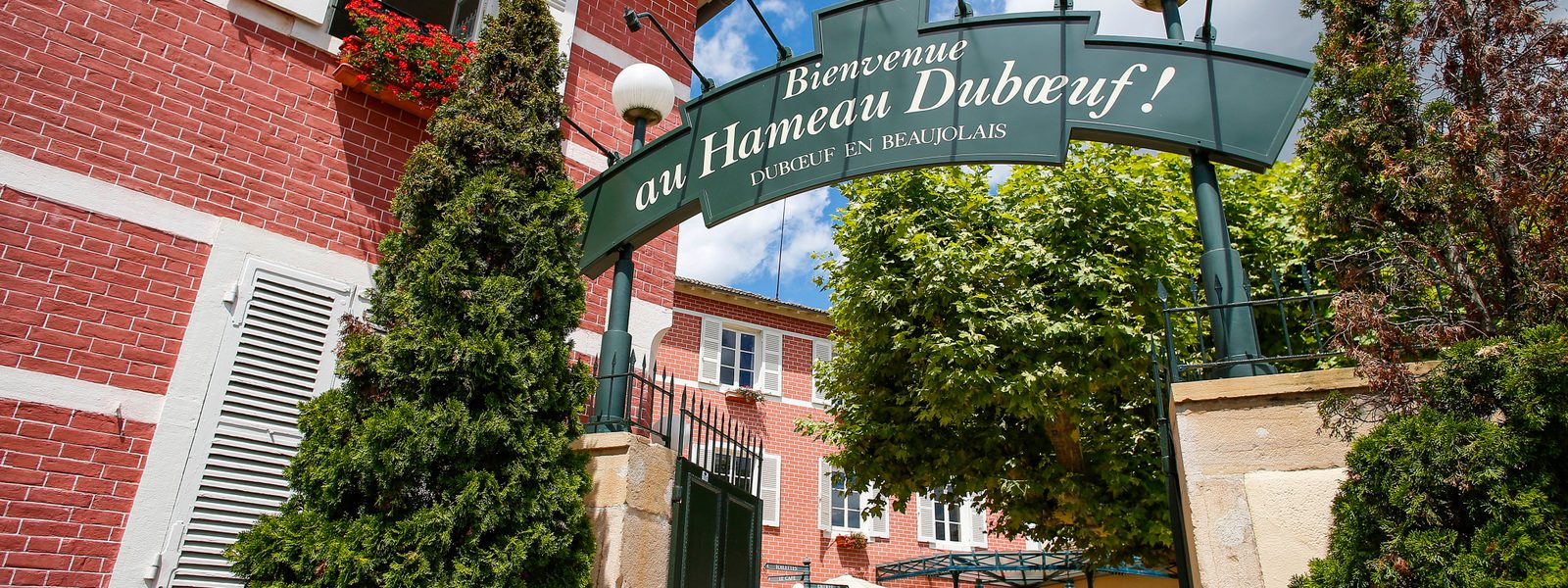
A wine-focused park located in Romanèche-Thorins dedicated to the history and culture of the region.
Walk through the garden areas to observe diverse grape varieties and viticultural tools.
Everything you need to know about where is beaujolais wine region
The Beaujolais wine region is situated within the Rhône and Saône-et-Loire departments of France. It spans a picturesque landscape known for its rolling hills and granite soil.
Entry to the region itself is 0 EUR. Individual wineries set their own specific tasting fees for visitors.
The recommended arrival window is between 09:00 and 17:00 to ensure optimal light for viewing the vineyards and better access to cellar visits. This schedule helps maximize your time at various estates.
The area is located north of Lyon, making it a common destination for travelers planning a Beaujolais wine tour from Lyon. You can easily access the region via regional transport or car.
Yes, you can visit many wineries once you know where is beaujolais wine region. It is best to check individual estate schedules, as they operate independently while the region remains accessible.
The region is open from Monday to Sunday, 08:00–19:00, allowing for flexible planning throughout the week. You can explore the terroir and countryside at your convenience during these operating hours.